Movement Disorder Care

Parkinson's Disease Care at Home

Trained caregivers and nurses support mobility, timely medicines, fall prevention, and daily living so people with Parkinson's can stay safer at home.

Parkinson's Care in a Familiar Home

Parkinson's disease is a progressive neurological condition. Symptoms often start slowly — a slight tremor, stiffness, or slower movement — and can later affect walking, balance, speech, sleep, and everyday tasks such as dressing or getting out of a chair.

There is no cure, but medicines, exercise, and supportive home care can help people manage symptoms. Timing of Parkinson's medication matters. Delayed doses can make movement more difficult and raise fall risk. Caregivers follow the at-home schedule given by the treating doctor and never stop medicines on their own.

Medizone Nursing Services provides trained attendants and nurses for personal care, mobility support, meal assistance, and supervision. We can also arrange home physiotherapy to work on balance, stretching, and walking techniques recommended for Parkinson's.

Home care supports the treatment plan. It does not replace a neurologist or other qualified medical advice.
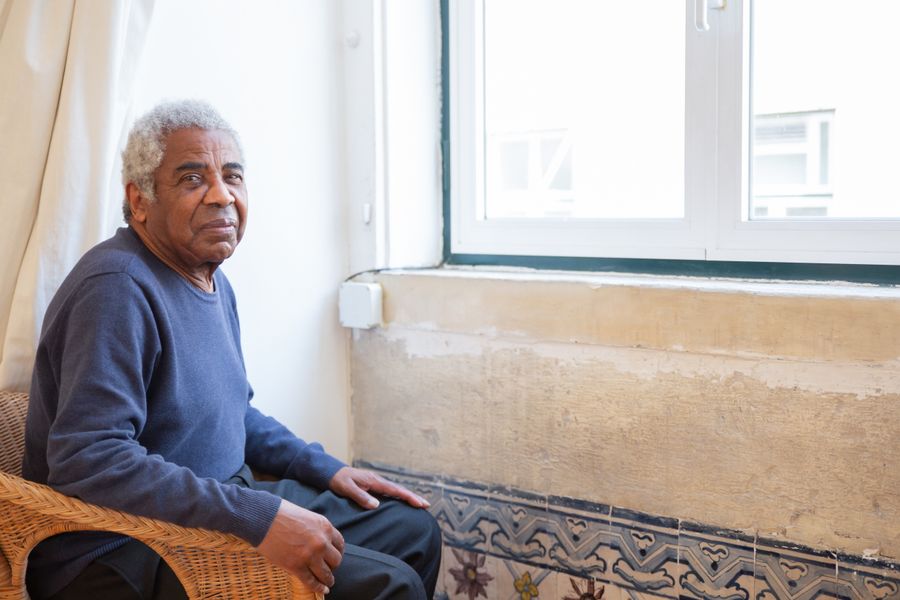
Caregiver helping a person with Parkinson's disease walk at home

Mobility and Fall Prevention

Steady support for walking and transfers

Symptoms Home Care Can Support

Tremor, often starting in one hand, foot, or jaw
Slowed movement (bradykinesia) that makes simple tasks take longer
Muscle stiffness and a stooped posture
Balance problems and a shuffling walk
Softer speech or reduced facial expression
Sleep issues, constipation, or low mood

How Our Parkinson's Home Care Helps

On-time medication support — Parkinson's medicines work best when given on schedule
Help with dressing, bathing, and getting out of a chair when movement is slow or stiff
Mobility assistance, walking support, and transfer help to reduce fall risk
Fall-prevention habits: no rushing, clear walkways, night-lights, and no throw rugs
Meal support and extra time for eating if chewing or swallowing is slower
Coordination with home physiotherapy for balance, stretching, and gait practice
Observation of tremor, stiffness, sleep, mood, and 'off' periods to share with family

Frequently Asked Questions

Common questions about Parkinson's Disease Care at Home

Parkinson's care at home includes personal care, mobility and transfer help, on-time medication support, meal assistance, fall-prevention habits, and coordination with home physiotherapy when needed.
Parkinson's medicines, including levodopa, often need to be taken on a strict schedule. Delayed doses can worsen stiffness, slowness, and fall risk. Caregivers follow the doctor's prescribed timing.
Yes. Caregivers help with walking and transfers, keep walkways clear, avoid rushing, and support habits such as night-lights and removing throw rugs. A walking aid is used if the doctor recommends it.
Yes. We can arrange home physiotherapy focused on balance, stretching, and walking, alongside caregiver support for daily activities.
No. Home care supports the medical plan. Treatment, medicine changes, and specialist follow-up stay with the treating doctor.

Need Parkinson's Care at Home?

Get trained support for mobility, medicines, personal care, and safer daily living at home.